
SAP customers question ROI of S/4HANA shift
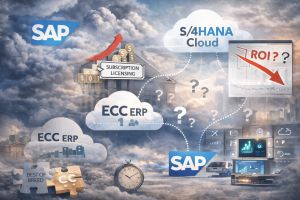
Many SAP customers remain unconvinced about the business case for moving from perpetual licenses to SAP’s subscription-based S/4HANA cloud platform, as concerns grow over rising costs and uncertain returns on investment.
SAP is set to end mainstream support for its legacy ECC ERP system at the end of this year, with extended maintenance options available until 2030. While the company is encouraging customers to migrate to S/4HANA Cloud, adoption has been slower than expected, largely due to pricing concerns and the effort required to justify the upgrade.
A recent survey of SAP users found that the vast majority are worried about unpredictable subscription price increases over time. Most respondents also said building a clear return-on-investment case for S/4HANA is either difficult or requires significant effort. Many believe the software they already run has a longer useful life than SAP’s support timelines suggest.
As a result, a significant share of customers say they do not expect to be running S/4HANA in the cloud within the next five years, with some planning to remain on on-premises ECC systems for as long as possible. Customers cite loss of control and reduced flexibility as key drawbacks of moving away from perpetual licensing.
Despite customer hesitation, SAP reports strong growth in cloud ERP revenue, pointing to increasing adoption of its core cloud offerings. The company maintains that customers are migrating at scale, even as a sizeable ECC user base remains undecided.
The debate is less about software quality than strategy. Many customers still view SAP’s ERP as robust and difficult to replace, but increasingly question the value of large, all-in-one platforms. Instead, many expect to pursue a more modular ERP approach in the future, combining systems from multiple vendors to meet specific needs.
Even so, most customers are not abandoning SAP altogether. While some are evaluating alternatives or extended ECC support, many are taking a cautious, wait-and-see approach—assessing migration options within the SAP ecosystem and hoping for further flexibility on support deadlines as they plan their next steps.